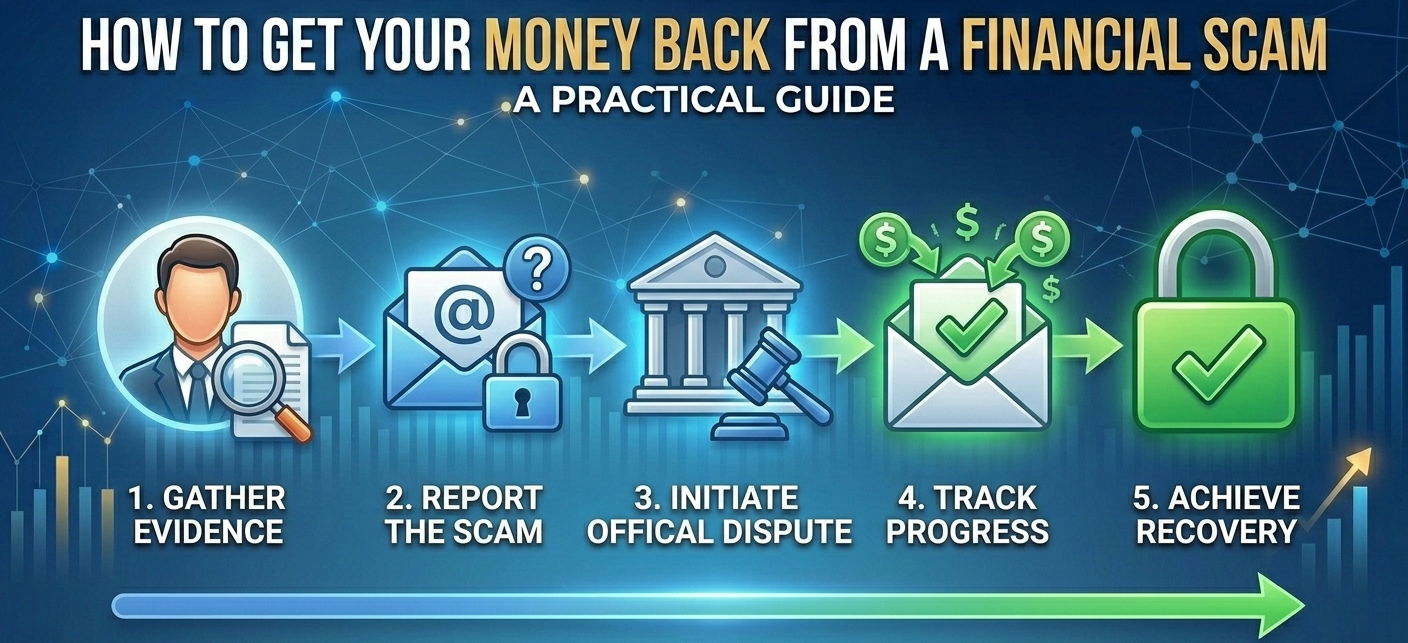
After you realize that you have been scammed your brain just stops thinking for a few seconds or even minutes . Maybe it was just a fake investment platform you have invested in , which has just stopped responding, a romance interest who suddenly needed “just one last transfer,” or a phishing link that drained your account before you even noticed. Whatever may be your story, the panic that follows after that is real and so is the pressure to fix it right now.
Here’s the good news: what you do in the first few hours and days after discovering that you have been scammed matters far more than most people realize. Acting quickly and methodically can limit the damage to a larger extent and even strengthen any financial scam reporting case you file afterwards, and give you the best possible shot at accountability. This guide walks you through exactly what to do after realizing you are being scammed.
Did You Just Get Scammed? Here’s How to Know for Sure
Before you spiral, take a breath and confirm what actually happened to you. Some of the common red flags include a “broker” or “advisor” who suddenly goes silent, a withdrawal request that’s mysteriously stuck in “processing” forever, or a platform that keeps asking for more fees before releasing your funds into your bank account. If any of that sounds familiar to you , you’re likely dealing with fraud, not a delay. The sooner you accept , the sooner you can start protecting yourself instead of chasing false hope.
What’s the First Thing You Should Do After a Scam?
Stop all communication and payments as soon as possible as scammers often try to keep victims engaged with many promises and one of those is “one final step” to unlock their money , this is almost always a second scam layered on top of the first. Screenshot every conversation, email, and transaction before you block the person or any platform. You will need this evidence later as a proof, and scammers frequently delete their accounts or disappear once they sense that you are catching on to them.
Should You Contact Your Bank or Payment Provider Immediately?
Yes, and you should do it as soon as you sense that you are being scammed with waiting. Call your bank, card issuer, or payment app’s fraud department the moment you suspect something’s wrong . Ask them to either flag the transaction or freeze the card if needed, and then start a formal dispute or chargeback process. If you have paid via wire transfer, UPI, or cryptocurrency, recovery odds drop fast with time, so speed genuinely matters in this case. Even if there is no guarantee that funds can be pulled back, a documented fraud report with your bank strengthens your case with every other authority you contact after this .
How Do You Report Internet Scams to the Right Authorities?
This is where a lot of victims actually get stuck, because “the right authority” depends on where you live and how you were scammed. As a general rule:
– Report the fraud to your national or local cybercrime unit or consumer protection agency whichever is suitable to you.
– If it involves investments, brokers, or any trading platforms, your country’s financial markets regulator should also be notified.
– If you’re in the United States, the FTC and IC3 (the FBI’s Internet Crime Complaint Center) then you should know that both of them accept reports. In the UK, that’s Action Fraud. In India, victims can use the National Cyber Crime Reporting Portal or even dial 1930 for time-sensitive financial fraud.
Alongside official channels, filing an online fraud complaint on a dedicated fraud-reporting platform like https://financecomplaintlist.net/ would really help you to build a public record that can warn others from getting scammed and support any future investigation that may take place.
Why Is Documentation So Important for Fraud and Scam Reporting?
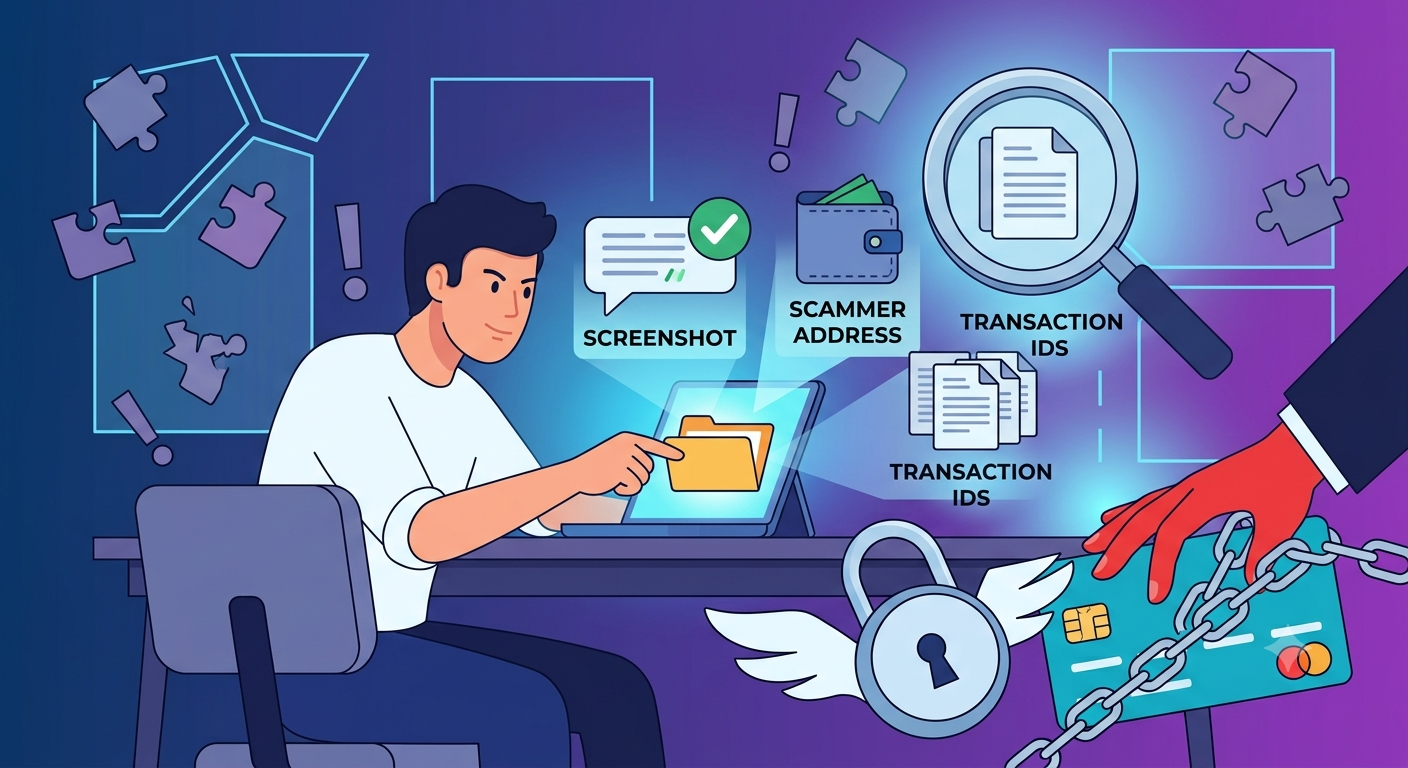
Every authority you contact will ask for evidence you have, and having it organized beforehand saves you a lot of time and builds more credibility. You can keep a simple folder with all transaction IDs, bank statements, screenshots of chats or emails, the scammer’s usernames or wallet addresses, and a plain-language timeline of what happened to you and when it happened . This isn’t just busywork as a well-documented case is taken far more seriously and moves faster through review than a vague verbal account.
Can You Recover Your Money After an Online Scam?
Sometimes, but there are no guarantees, and you should do a proper background check of anyone who promises otherwise. Recovery outcomes depend on how quickly you respond to the situation, what payment method was used, and whether the funds can still be traced. Be especially cautious of “recovery agents” who contact you out of the blue asking for an upfront fee , this is one of the most common follow-up scams targeting people who have already been defrauded once. Legitimate reporting and regulatory bodies do not charge victims for filing a complaint.
Where Should You File a Financial Scam Reporting Complaint Online?
Beyond your bank and local law enforcement, consumer-facing complaint platforms like https://financecomplaintlist.net/ let you formally log the incident, for that you mostly have to name the fraudulent entity, and add your experience to a searchable record that helps other potential victims spot the same scam before it’s too late. Filing here doesn’t replace reporting to law enforcement or your financial regulator; you can think of it as an additional layer that adds visibility and creates a paper trail.
What Should You Do to Protect Yourself Going Forward?
Once the immediate reporting is done, take a note of what made you vulnerable to this situation . Change your passwords, enable two-factor authentication on your financial accounts, and from now on be skeptical of unsolicited investment opportunities, especially ones which promise guaranteed returns to you . It’s also worth telling a trusted friend or family member what happened and it is not out of embarrassment, but because scammers always count on silence, and talking about it openly makes you (and the people around you) harder to target again.
Conclusion: What’s the Bottom Line?
First of all, falling for a scam doesn’t at all make you careless , these operations are built by professionals who study human psychology for a living. What actually matters now is how you respond. Cut off contact, secure your accounts, document everything, and report the incident through every relevant channel possible , from your bank to your local cybercrime authority to a dedicated online fraud complaint platform. None of this guarantees your money will come back, but it gives you the strongest possible position, and it helps stop the same scam from reaching the next person.