You are scrolling through your statement and there it is , you are charged an amount you don’t recognize, from a merchant you’ve never heard of. Maybe it’s $40 or it’s $4,000. Whatever it may be, the first question is always the same: is this actually fraud, and what do you do about it right now?
Is This Actually Fraud, or Just a Charge You Forgot?
Before anything else, rule out the boring explanation. Check whether a family member used the card, whether it’s a subscription renewal you have forgotten about, or whether the merchant name is just a confusing billing alias for a company you did buy from as streaming services and app stores are notorious for this. If you could find none of them and the charge genuinely seems unfamiliar to you, you’re very likely looking at fraud either a stolen card number or a scam that tricked you into handing over your details.
A 2026 industry report found that 61% of US credit card holders have experienced fraud at some point of time, and more than half of those have been hit multiple times. Adults over 45 were hit hardest, with roughly seven in ten reporting at least one fraudulent charge. This isn’t a rare, unlucky event; it’s closer to a routine hazard of carrying a card at all, which is exactly why knowing your rights matters the most.
What’s the First Thing You Should Do When You Spot an Unauthorized Charge?
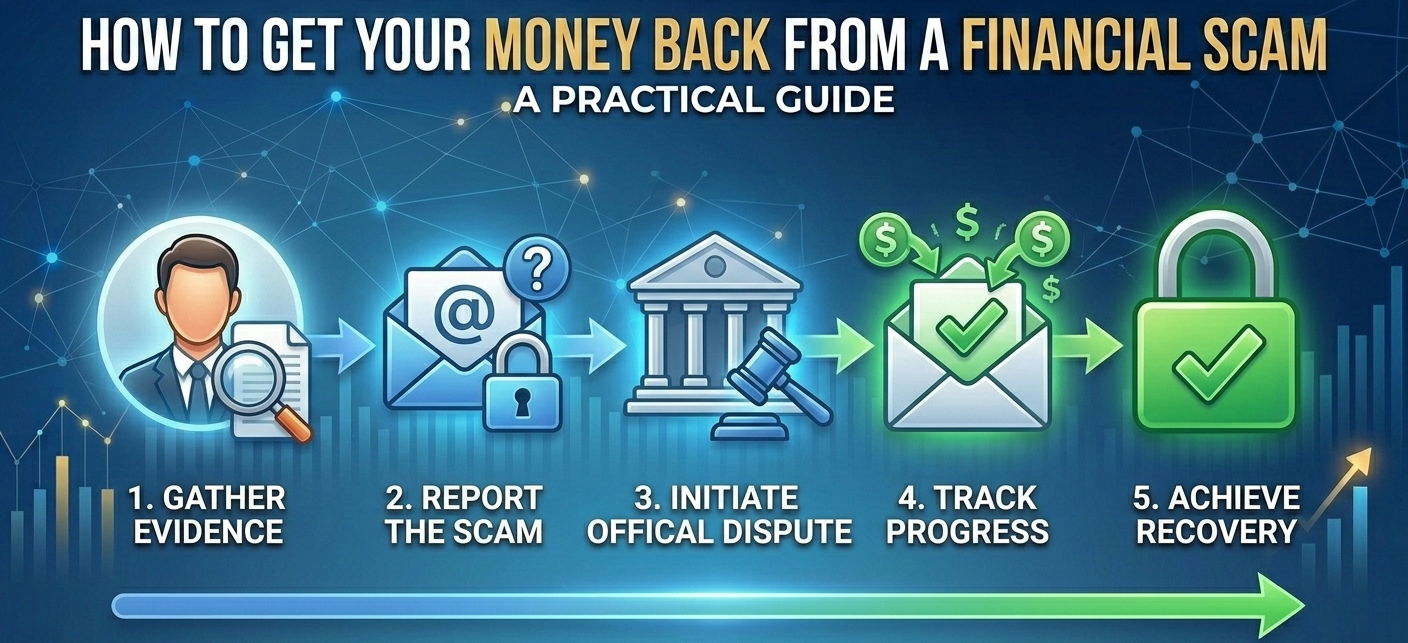
Call your card issuer’s fraud line immediately, don’t email, don’t wait for the app to update, just call. Ask them to flag or freeze the card, and start the formal dispute process immediately. Screenshot all transactions and your statement before anything changes, and write down the date, time, and name of whoever you spoke with. The timeline genuinely matters here, both for your legal protections and also that the transaction can still be stopped before the funds move further.
What Are Your Actual Legal Rights in the US?
The Fair Credit Billing Act is the federal law that does the work here. Under it, your liability for a confirmed unauthorized charge is capped at $50 by law, though in practice most major card networks apply zero-liability policies that mean you pay nothing, provided you report financial frauds to them. You have at least 60 days from your billing statement date to file a formal dispute, and your card issuer is required to acknowledge it within 30 days and resolve it within 90 of time. While a dispute is open, they also can’t pressure you to pay the disputed amount or report it as delinquent to the credit bureaus.
What If You’re in the UK? Understanding Your Rights Under the Payment Services Regulations
The UK’s framework works differently from the US, and it moves fast once you have reported the problem. Under the Payment Services Regulations 2017, if a transaction on your card genuinely wasn’t authorised by you, your bank must refund you by the end of the next working day in most straightforward cases and restore your account to the position it would have been in if the fraud had never happened. Your own liability for losses before you report the card lost, stolen, or compromised is normally capped at £35, and in many cases you pay nothing at all if you were not negligent about the case. You have up to 13 months from the date of the transaction to notify your bank formally, and if it refuses to refund you or drags its feet, you can escalate the complaint and it is free of charge to the Financial Ombudsman Service, which can order the bank to pay up and add compensation on top. There’s also a newer protection worth knowing about: since October 2024, if you’re tricked into authorising a bank transfer yourself, rather than having your card used without your knowledge, UK banks must generally reimburse you up to £85,000 under the mandatory Authorised Push Payment reimbursement scheme, usually within five working days of your claim.
How Do You Report Credit Card Fraud Beyond Your Bank?
Your bank is step one, not the whole process, and learning how to report credit card fraud through the right official channels matters just as much as knowing your rights. In the US, file with the FTC at reportfraud.ftc.gov and, for anything involving deception over the internet, the FBI’s IC3 at ic3.gov. In India, the National Cyber Crime Reporting Portal or the 1930 helpline handles time-sensitive financial fraud, alongside your bank’s own grievance channel. Alongside these official routes, using a public reporting platform to report financial frauds like Finance Complaint List to report a credit card scammer adds your case to a searchable record, so the next person who encounters that same fake merchant or scam call can see the warning before they lose money too.
Will You Actually Get Your Money Back?
It depends heavily on what kind of “fraud” you’re dealing with, and this distinction trips a lot of people up. If someone stole your card details and charged something without your knowledge, the legal protections above are strong and refunds are the norm, not the exception. But if you were scammed into authorizing a payment yourself, tricked by a fake seller, a phishing link you approved with an OTP, or a scam “investment” , that’s a different legal category, and it’s harder to reverse because you technically approved the transaction. This is exactly why acting the moment you suspect anything, before a scammer can get you to authorize something, matters so much.
Conclusion: Speed and Documentation Are Your Best Tools
Credit card fraud is common enough now that it’s less a question of if and more a question of when, but the laws protecting you in the US and UK are genuinely on your side, especially if you move fast. Call your issuer immediately, document everything before you dispute it, understand which protections apply to your specific situation, and report credit card fraud through every relevant channel like your bank, your national fraud authority, and a public record that helps someone else avoid the same fake merchant or scam call you just got off the phone with.