The digital asset market has evolved from a niche sandbox for tech enthusiasts into a multi-trillion-dollar financial ecosystem. However, as institutional capital and retail investors flood the market, cybercriminals have followed. From smart contract exploits and exchange hacks to sophisticated phishing campaigns, the risks confronting digital asset holders are unprecedented.
While traditional security measures like hardware wallets and multi-factor authentication are critical, they cannot eliminate risk entirely. This vulnerability has driven the rise of Cryptocurrency Insurance Solutions, a rapidly developing sector designed to provide a much-needed safety net for modern investors.
If you hold a significant digital portfolio, here is what you need to know about Cryptocurrency Insurance and whether it deserves a place in your risk management strategy.
What is Cryptocurrency Insurance?
At its core, it functions similarly to traditional financial coverage, protecting your digital wealth from specific types of theft, fraud, or technical failure. Because digital assets are decentralized and irreversible, standard homeowners or fraud insurance policies rarely cover the loss of private keys or tokens.
Specialized digital assets Insurance bridges this gap. It provides financial indemnification to individuals, institutional investors, or platforms if their assets are compromised under covered circumstances.
Types of Cryptocurrency Insurance Solutions Available
Coverage in the crypto space is not one-size-fits-all. It is generally split into two main categories depending on where and how your assets are stored:
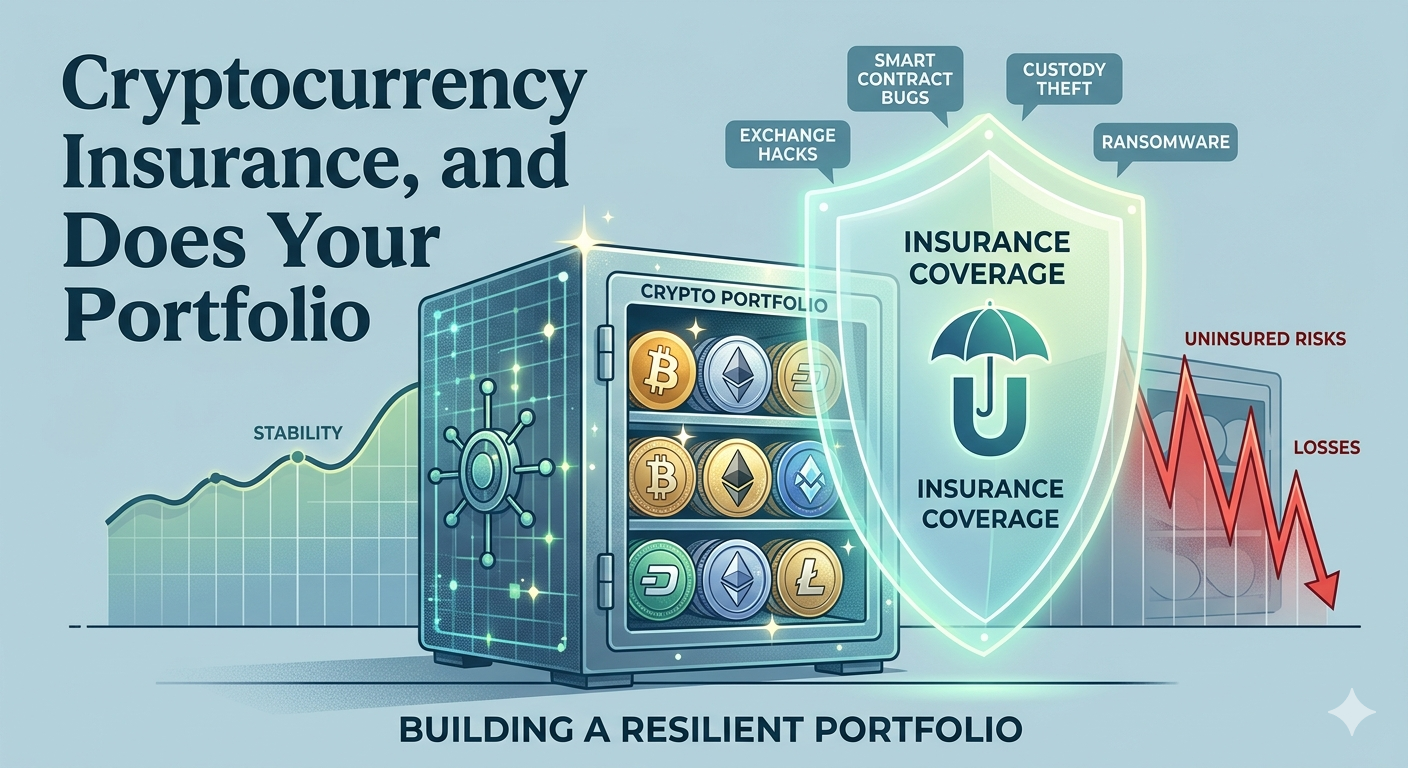
- Exchange-Level (Indirect) Coverage: Many major, regulated cryptocurrency exchanges maintain commercial crime policies or native “Secure Asset Funds” to protect their users. If the exchange’s central servers are breached or their hot wallets are drained in a mass cyberattack, these policies are triggered to reimburse affected users.
- Decentralized Finance (DeFi) & Smart Contract Cover: For investors active in Web3, decentralized cover protocols offer protection against smart contract failures, code exploits, or governance attacks on specific DeFi platforms.
- Institutional Custody Insurance: High-net-worth individuals and corporations utilizing third-party institutional custodians benefit from comprehensive policies covering physical theft from cold storage, internal employee fraud, or transit vulnerabilities.
What is Covered vs. What is Excluded?
Understanding the boundaries of your policy is essential to avoiding a false sense of security.
Generally, most specialized policies will cover exchange-level security breaches, cyberattacks targeting institutional hot wallets, physical theft or damage to cold storage facilities, and internal fraud or embezzlement by an official custodian.
However, there are strict exclusions. Insurance will not protect you from losses due to market volatility or sudden price crashes. Furthermore, standard policies will not cover individual negligence—such as losing your seed phrase or giving away your private keys in a phishing scam—nor will they cover smart contract losses on unaudited or blacklisted platforms.
Does Your Portfolio Need It?
Determining whether to invest in insurance solutions depends heavily on your asset scale, storage habits, and risk tolerance. You should strongly consider it if:
- You Hold Substantial Capital in Hot Wallets: If a large portion of your net worth is actively deployed in DeFi protocols or trading on exchanges, your exposure to smart contract bugs or platform hacks is elevated.
- You Manage Corporate or Client Funds: For businesses holding crypto on their balance sheets or handling third-party capital, insurance is crucial for fiduciary responsibility and regulatory compliance.
- You Want Peace of Mind: If the constant threat of evolving cyber vectors causes anxiety, outsourcing that risk to an insurance protocol offers financial security.
Proactive Risk Mitigation: The Ultimate Safety Net
While Cryptocurrency Insurance provides an excellent layer of financial defense, it should never replace fundamental security hygiene. Insurance providers often mandate strict security compliance before underwriting a policy or approving a claim.
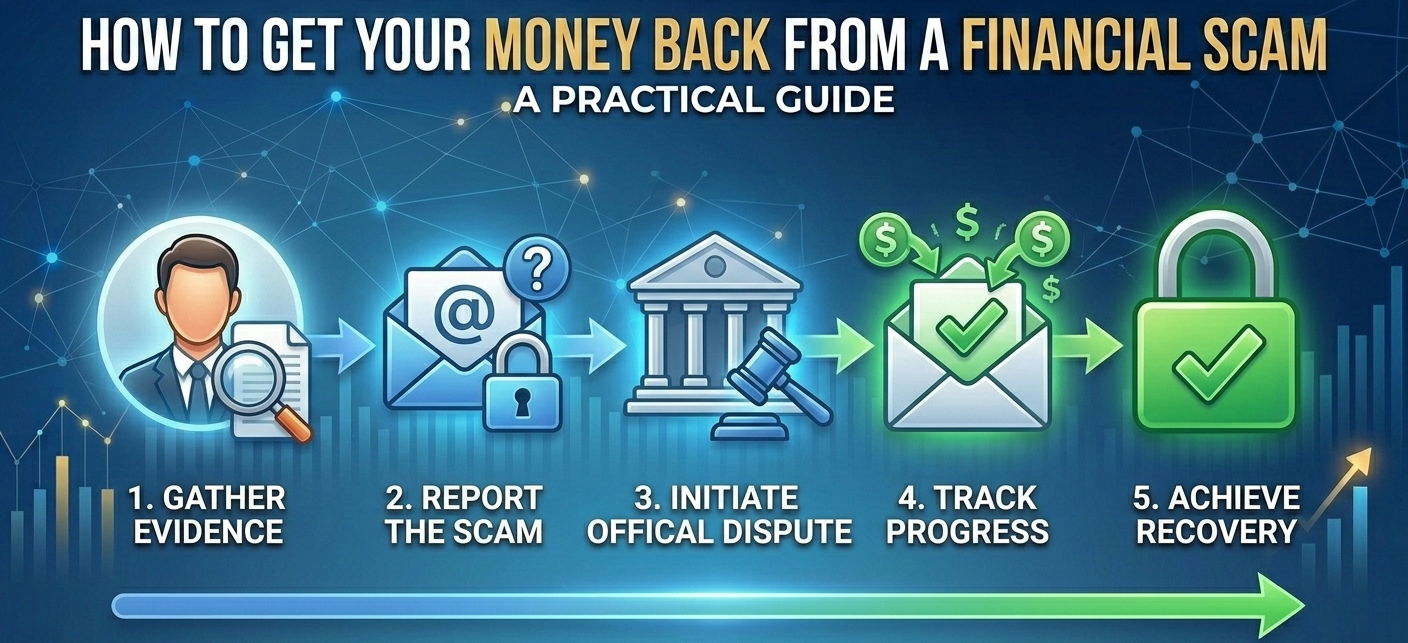
If you ever experience an asset drain due to a platform compromise, acting immediately is vital. Documenting the incident, tracing the flow of tokens on the blockchain, and logging the event with a global, secure fraud database like financecomplaintlist.net helps establish an official public record. These verified logs can be essential when submitting documentation to insurance adjusters or working with recovery specialists to track down the exploiters.
As the digital asset space matures, safeguarding your wealth requires a multi-layered defense. Combining robust cold storage practices, vigilant fraud awareness, and targeted insurance coverage ensures your portfolio remains resilient against the unexpected.