Discovering that you have been targeted by an online financial scam is a deeply jarring experience. Whether it stems from an online stock-trading platform, a deceptive brokerage, or an engineered romance syndicate, the initial shock can often lead to panic. However, the critical phase immediately following the realization of fraud dictates whether your assets can be successfully traced and recovered.
Asset recovery is a methodical, data-driven process. To build a case that financial institutions, regulatory bodies, and specialized recovery networks can actively work with, you must transition from a victim to an investigator.
Here is your structured guide to preserving, organizing, and utilizing the digital evidence required to fight back.
1. Stop and Preserve: Do Not Clear Your History
The most common mistake victims make out of frustration or embarrassment is deleting chat logs, wiping browsing histories, or blocking accounts before exporting the data. In the digital landscape, this data is your primary weapon.
- Keep Conversations Intact: Do not delete messaging threads (such as WhatsApp, Telegram, or email chains). These contain vital communication patterns, shifting narratives, and operational instructions from the fraudsters.
- Leave Portals Alone: If the fraudulent platform or “brokerage” website is still live, do not attempt to delete your user profile or remove your dashboard details.
2. Systematically Document the Digital Paper Trail
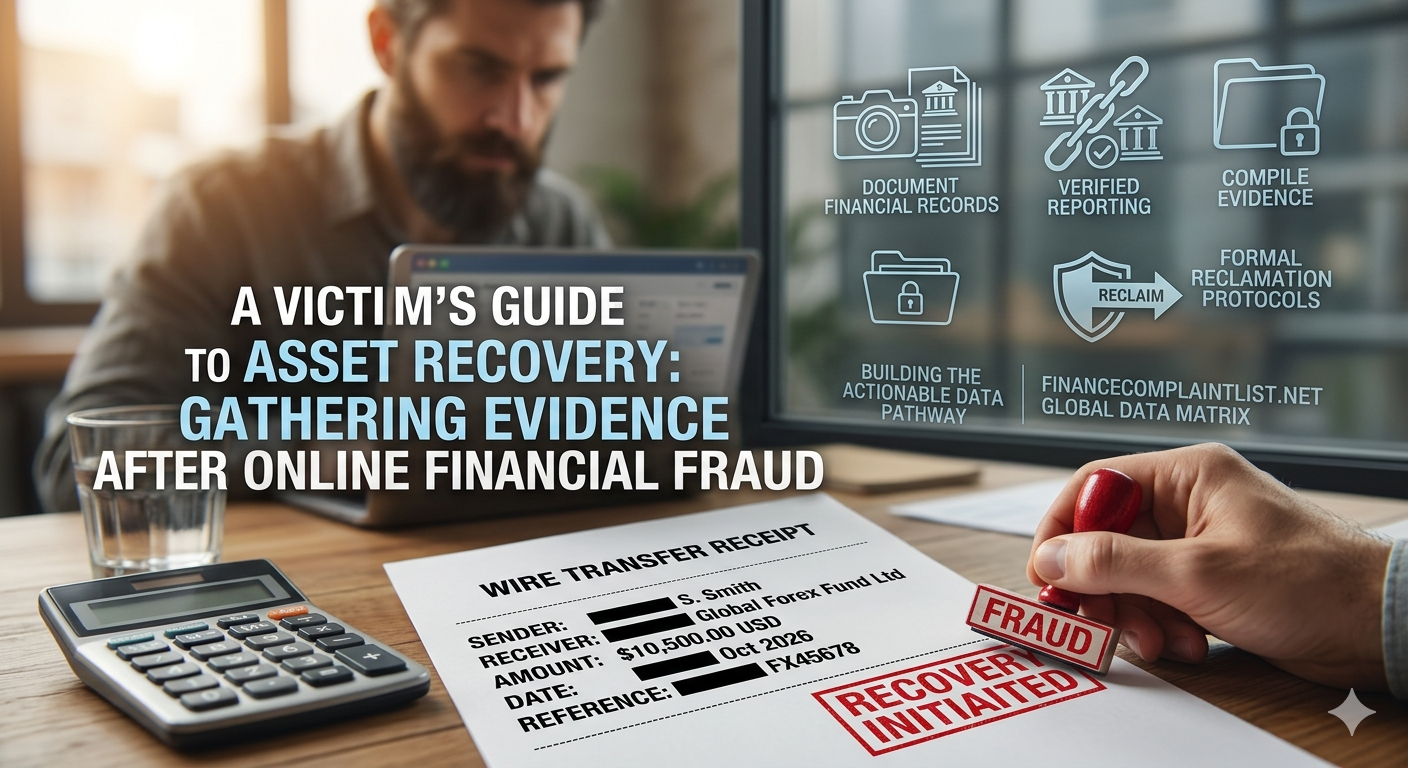
When submitting your case for forensic analysis, having structured, chronological evidence accelerates the investigation process significantly. Gather and categorize your evidence into three distinct buckets:
Financial Transaction Records
Every time capital moves, it leaves a footprint. You need to pull official documentation for every single transfer:
- Bank Wires & Credit Cards: Secure PDF copies of your bank statements, official wire transfer confirmations, and credit card statements showing the exact timestamp, merchant or recipient name, and reference numbers.
- Platform Demands: Take screenshots of any internal platform demands, such as fake “withdrawal fees,” sudden “tax clearances,” or account liquidity penalties used to lock your funds.
Communication & Identity Logs
- Full Chat Exports: Use the built-in export features on messaging applications to download full text logs of your interactions.
- Profile Blueprints: Take high-resolution screenshots of the scammer’s profiles, associated phone numbers, corporate email addresses, and any domain names or URLs they directed you to use.
Digital Metatada & Receipts
- Email Headers: If you received instructional emails or contract agreements, save the emails as
.emlor.msgfiles, which contain routing headers that help identify the sender’s true location and server infrastructure.
3. Log the Scam to Map the Infrastructure
Because modern financial fraud operations rely heavily on interconnected, international networks of shell banks and “money mule” accounts, local law enforcement alone often lacks the immediate resources to track global syndicates.
Reporting the exact mechanics of your incident to a dedicated consumer safety database like the Finance Complaint List creates an immediate, verified public record of the fraud. When victims aggregate real-time transaction footprints and platform URLs, it allows analysts to cross-reference overlapping patterns. Identifying these shared blueprints makes it possible to map out hidden banking networks and alert financial institutions, effectively freezing the operational lanes the fraudsters use to siphon wealth overseas.
4. Initiate Formal Legal and Financial Reclamations
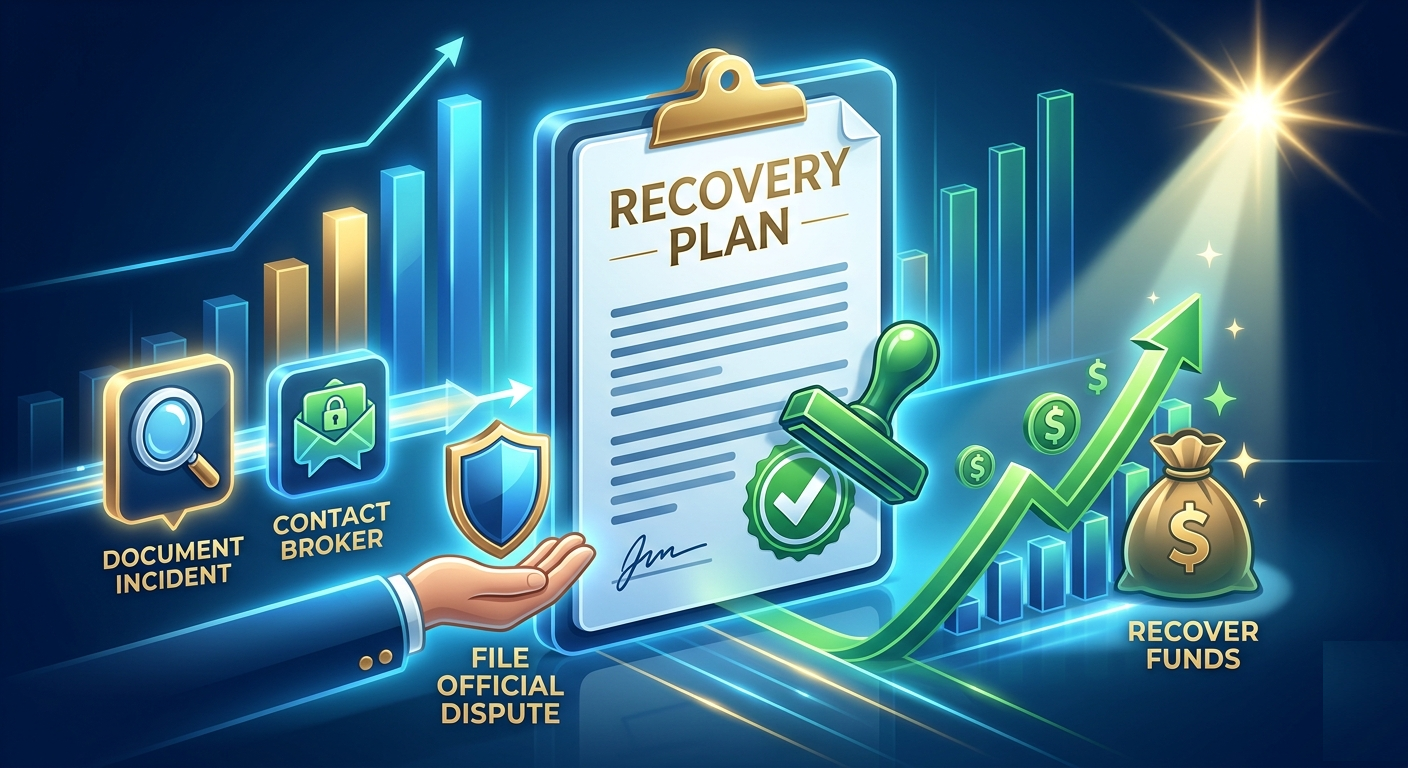
Once your comprehensive evidence folder is compiled, you must immediately trigger formal institutional recovery mechanisms:
- File Bank Chargebacks & Reversals: Contact the fraud department of your financial institution immediately. Present your evidence folder to initiate formal wire recalls or credit card chargebacks under “fraudulent inducement” or “services not rendered” clauses.
- Alert Regulatory Authorities: Submit your documentation to national consumer protection and financial conduct authorities (such as the SEC or CFTC for stock-trading fraud, or national cybercrime reporting portals).
- Secure an Official Law Enforcement Record: File a detailed report with your local police department. Ensure you obtain a physical or digital copy of the official police report, as banks, insurance adjusters, and international recovery networks frequently require this to validate your claim.
Knowledge is the Ultimate Recovery Tool
The path to asset recovery requires persistence, speed, and meticulous detail. By refusing to let emotional distress dictate your actions, and instead focusing on compiling an unassailable digital paper trail, you shift the power dynamic away from the fraudster. Utilizing global reporting networks like the Finance Complaint List ensures your evidence is integrated into a larger, actionable framework built to disrupt criminal networks and recover what is rightfully yours.