Imagine opening your crypto wallet only to find your hard-earned tokens, NFTs, and life savings gone. There was no notification, no security breach message, and you never gave away your private keys or seed phrase.
This is the terrifying reality of a crypto wallet drain.
Unlike traditional hacking, where a scammer forces their way into your account, a wallet drainer tricks you into opening the door. Here is exactly how these malicious smart contracts operate, how they steal your assets, and what you can do if you fall victim.
The Trap: How a Wallet Drainer Begins
A crypto wallet drainer is a piece of malicious software (often a script hidden on a website) designed to automatically empty a victim’s cryptocurrency wallet. The attack always begins with deception, usually taking the form of:
- A fake, time-sensitive NFT mint or a high-yield “airdrop” opportunity.
- A phishing link disguised as a vital security update or support desk.
- An exact replica of a popular decentralized finance (DeFi) platform.
Once you connect your Web3 wallet (like MetaMask, Trust Wallet, or Phantom) to the site, the trap is set.
The Anatomy of the Theft: The Malicious Smart Contract
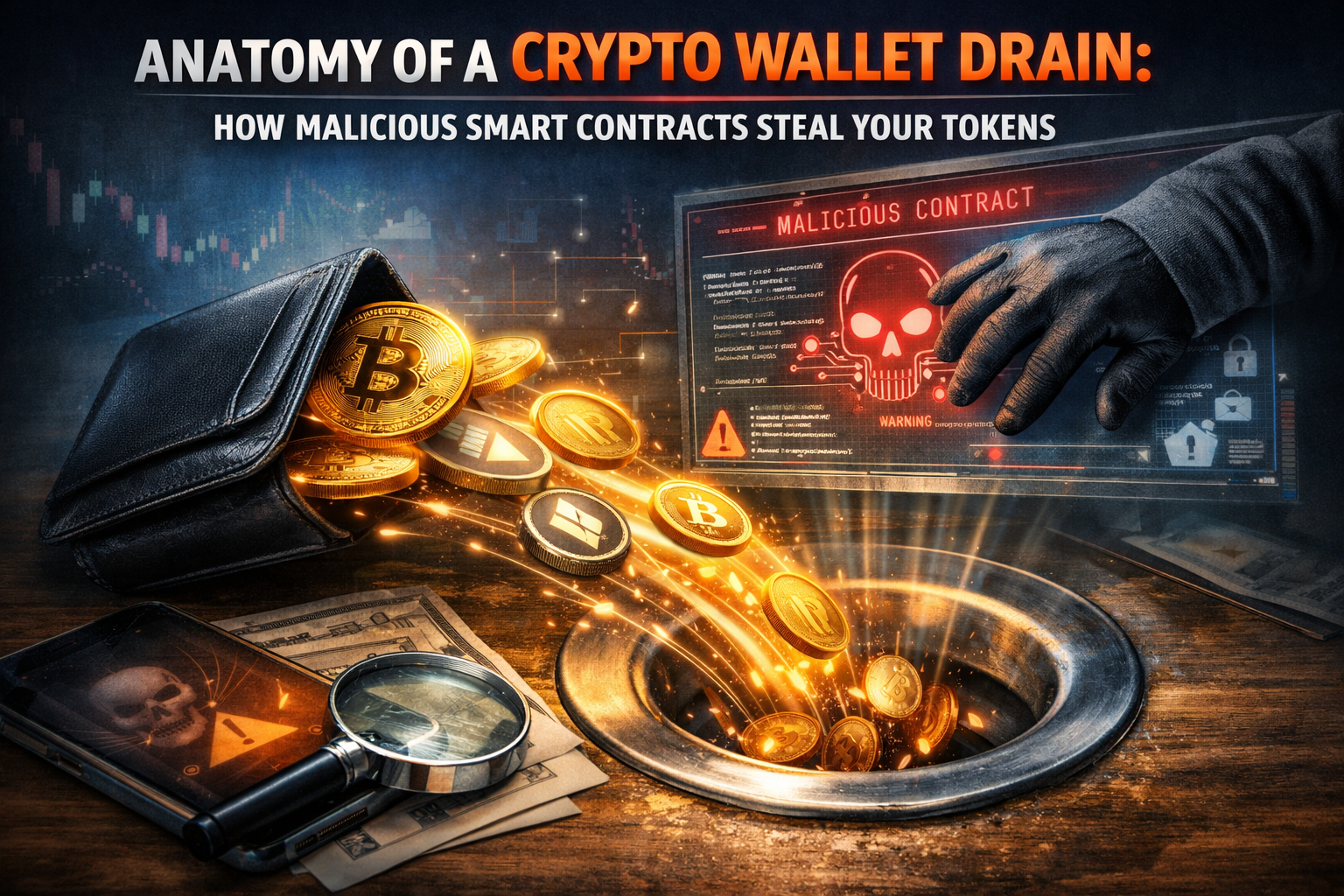
The misconception most people have is that scammers need your seed phrase to steal your crypto. With modern drainers, they don’t. Instead, they exploit the way smart contracts interact with your wallet through token approvals.
Here is the step-by-step breakdown of how a crypto wallet drain occurs:
1. The Fake Request
When you click a button to “Mint” or “Claim Airdrop,” the malicious site prompts your wallet extension to sign a transaction. To the untrained eye, this looks like a standard network interaction.
2. Exploiting “SetApprovalForAll”
Hidden inside that transaction is a request for setApprovalForAll or an unlimited spending allowance. In legitimate DeFi, you grant permissions so a platform can swap your tokens. In a drainer attack, you are unknowingly granting the scammer’s smart contract permission to move all tokens of a specific standard (like ERC-20 or ERC-721) out of your wallet.
3. Automated Execution
The moment you click “Confirm” or “Sign,” the malicious script takes control. It scans your wallet instantly to identify your highest-value assets (stablecoins, Ethereum, rare NFTs). Because you granted approval, the contract calls the transferFrom function, automatically routing your assets to the attacker’s designated address.
Why traditional security fails here: Your wallet didn’t block it because you authorized it. The wallet simply followed your approved command, which is why these scams evade standard antivirus software.
How to Avoid Crypto Draining
Protecting your digital assets requires moving past basic password hygiene. To effectively avoid crypto draining, implement these three layers of defense:
- Read the Transaction Details: Never blind-sign a transaction. Look closely at what your wallet is asking. If a request asks for “Sign” or “Approval” when you are supposed to be receiving an airdrop, it is a scam. Airdrops require zero token approvals to receive funds.
- Use Separate Wallets: Keep a “hot wallet” with minimal funds for interacting with new mints or DeFi apps. Keep your primary savings in a “cold” hardware wallet that never interacts with unverified smart contracts.
- Revoke Permissions Regularly: If you have interacted with platforms in the past, use tools like Revoke.cash or Etherscan’s token approval checker to regularly wipe out old permissions. If a platform gets compromised later, they won’t be able to access your wallet.
Hit by a Scam? Act Immediately
If you realize a crypto wallet drainer has targeted your account, every second counts. Your first step is to transfer any remaining untouched assets to a completely new wallet address immediately—do not reuse the compromised wallet.
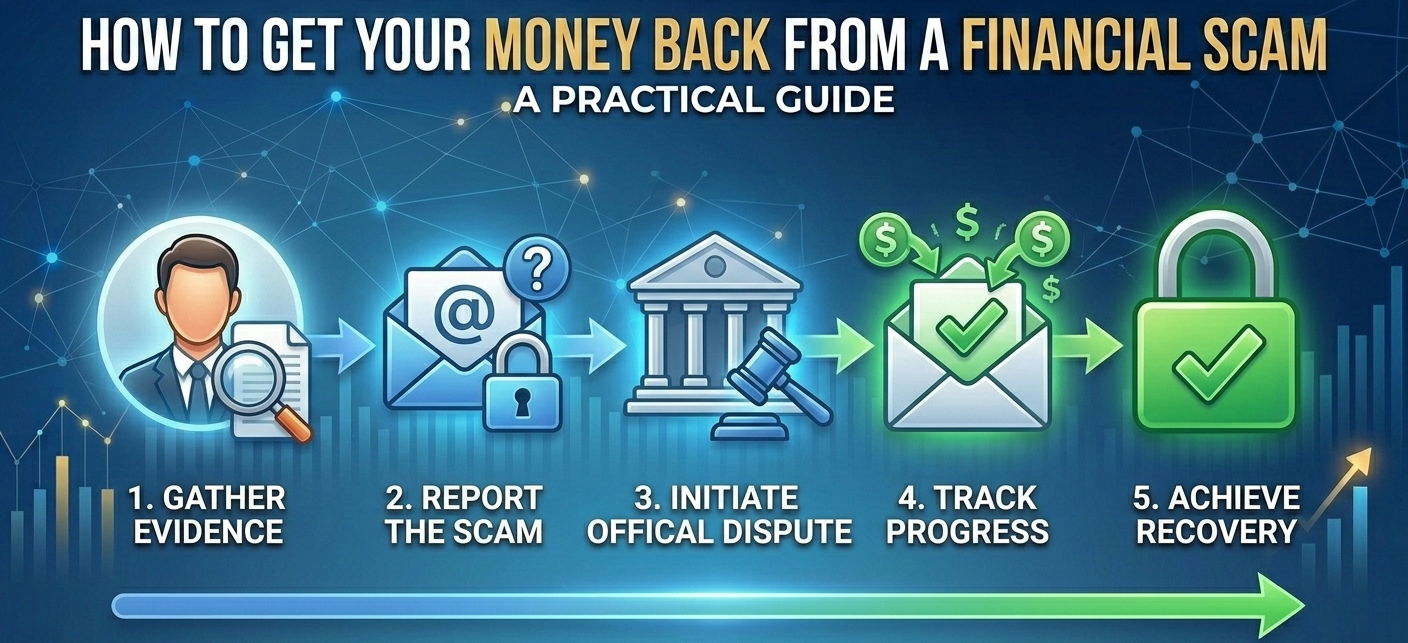
Once your remaining funds are secure, you need to report the crime. At FinanceComplaintList.net, we operate as a dedicated Online Fraud and Scam Reporting and Fraud Complaint Website.
You don’t have to navigate the aftermath of a crypto scam alone. Our expert team is built to help you report internet fraud online, tracking the malicious addresses and documenting the exploit. As a leading fraud and scam complaint website, we actively alert you to online scammers, tracking emerging wallet drainer variants, and working to bring transparency to Web3 security breaches.
If you or someone you know has been targeted by a malicious smart contract, visit FinanceComplaintList.net today to submit a formal complaint and get expert guidance on your next steps.