Cryptocurrency Scams Exposed: How Fake Exchanges Steal Your Funds
Cryptocurrency scams is not a small problem anymore but it’s one of the biggest categories of financial crime tracked by law enforcement authority at this date. Like the Americans have reported more than $11 billion in crypto-related losses to the FBI’s Internet Crime Complaint Center in 2025 alone, a 22% jump from the year before, and total on-chain scam revenue for the same year at roughly $14 billion globally. Behind those numbers there is the same script that the scammers use like a fake exchange, a dashboard that shows profits that were never real, and a withdrawal that never actually goes through.
How Do Fake Crypto Exchanges Actually Work?
Most fake exchanges aren’t crude, obviously not broken websites anymore , they are very good apps that mirror real trading platforms down to the charts and order books. When you “deposit” crypto, the funds don’t go into any account tied to your name; they move straight into a wallet controlled by the scam operation. The balance you see on your dashboard is just a number the platform displays, disconnected from any real trade. Everything looks fine, sometimes for weeks, until you try to withdraw and at that point you’re hit with a sudden “tax, ” “activation fee or “compliance charge” that has to be paid before your funds are released. That fee demand is the moment nearly every version of this scam reveals itself.
What Does a Modern Pig-Butchering Scam Look Like, Start to Finish?
The scam behind most fake exchange schemes today gets its name from a blunt metaphor: fatten the target before the loss. It usually starts with a random person like a dating app match, a “wrong number” text, or a new social media follower who’s friendly, attractive, and in no hurry. Over several weeks, they build a real-feeling relationship through daily messages and the occasional video call, then casually mention how well their crypto investments are doing these days. Eventually they introduce you to “their” trading platform, encourage a small first deposit, and let you watch fabricated gains climb on the dashboard. Bigger deposits follow. Then, when you try to cash out, the withdrawal is blocked until you pay a fee you don’t have and then shortly after, the person and the platform both disappear.
How Are These Same Scams Bleeding Into Forex and Stock Trading?
The exact same emotional playbook now shows up wrapped around fake forex brokers and manipulated stock tips. Unregulated forex “brokers” running clone websites promise guaranteed returns and high leverage, then block withdrawals the same way fake crypto exchanges do. Stock market fraud has taken a different but similar shape: in one of the recent SEBI enforcement action, seven individuals were barred from India’s securities markets and ordered to give back over ₹20 crore after using Telegram, WhatsApp, and X to push coordinated stock ecommendations that pumped small-cap share prices before the operators sold into the rally. Different asset class, same tactics like manufactured urgency, fake social proof, and a countdown that pressures you to act before you can think it through.
How Do You Report Internet Scams Involving Crypto, Forex, or Stocks?
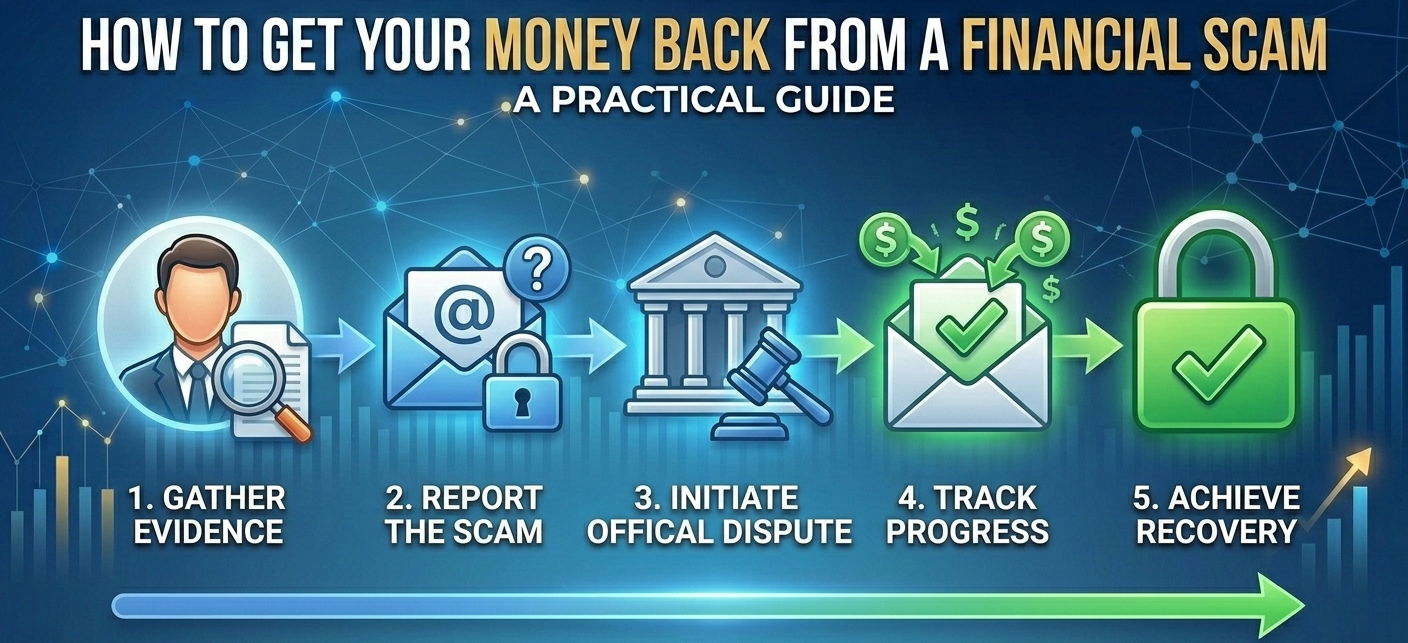
The right channel depends on what kind of platform was involved. In the US, crypto scams go to the FBI’s IC3 at ic3.gov, and any general internet scam can also be reported to the FTC at reportfraud.ftc.gov and that’s the fastest way to report crypto scam or any other internet scam, regardless of which asset class was involved. If you need to report Bitcoin scam specifically, the same IC3 channel applies, since Bitcoin and other cryptocurrencies fall under the same fraud category. If a broker was involved, knowing how to report Forex Trading Scams separately matters too, since currency and CFD fraud typically falls under a different regulator than crypto like for example, the CFTC and NFA in the US, or the FCA in the UK. In India, the clearest way to report stock trading fraud is through SEBI’s SCORES portal, built specifically for complaints against brokers, listed companies, and market intermediaries, alongside the National Cyber Crime Reporting Portal and the 1930 helpline for anything involving stolen funds. Whichever authority applies, report to the platform or exchange itself too, as some maintain dedicated fraud teams that respond faster than you’d expect for well-documented cases.
What About Reporting a Fake Exchange or Broker Publicly?
Beyond the official channels, filing with a public complaint platform to report crypto fraud, like Finance Complaint List, adds a layer that official databases don’t: visibility. It’s not a recovery service and won’t get your crypto or funds back, but it creates a searchable record naming the fake exchange, broker, or wallet address involved, so the next person researching that same platform before depositing money can see what happened to you first and get saved.
Can You Actually Get Your Crypto Back?
To be honest, it’s difficult. Once funds move into a scammer’s wallet, they’re typically bridged across chains and swapped through multiple services within minutes, specifically to break the trail, and crypto transactions don’t have the same reversal mechanisms as a bank wire or card payment. That said, speed still matters more than people assume like the FBI’s Operation Level Up, which proactively contacts people showing signs of active crypto investment fraud, has reduced victim losses by more than $500 million since it began, largely by catching people before they sent more money rather than by reversing what was already sent. Reporting early can still stop the bleeding even when it can’t undo what’s already gone.
Conclusion: Recognise the Pattern Before the Platform Disappears
Whether it looks like a crypto exchange, a forex broker, or a stock tip in a random Telegram group, the same trick shows up nearly every time: fabricated gains, mounting pressure to deposit more, and a wall the moment you try to take money out. Learning to spot that pattern early is worth more than any recovery promise ever will be, and to report online crypto scam to your national fraud authority, the platform itself, and a public record other people can search is still the most effective thing you can do once it’s happened to you.